Answers
What Bad Roads Really Cost Drivers
From rising vehicle repair bills to safety risks and fuel inefficiency, bad road conditions come with costs to the average driver. Here’s what rough pavement is really adding up to for you.

Jun 17, 2026
3 min. read
Poor road conditions can make an unexpected dent in your vehicle — and your finances. The CAA Worst Roads 2026 survey finds that 45 percent of drivers reported damage to their vehicles, with 85 percent of those drivers citing potholes as the primary culprit. The costs of everyday wear-and-tear on tires, rims and suspension can add up. The higher cost of living means Manitobans are spending more on car repairs: $944 per year on average, up from $882 in 2025 — with 75 percent paying out of pocket.
Well-maintained roads don’t just make for smoother drives — they save you money on future repairs by preventing damage. Here are the hidden costs of poor road conditions.

Potholes
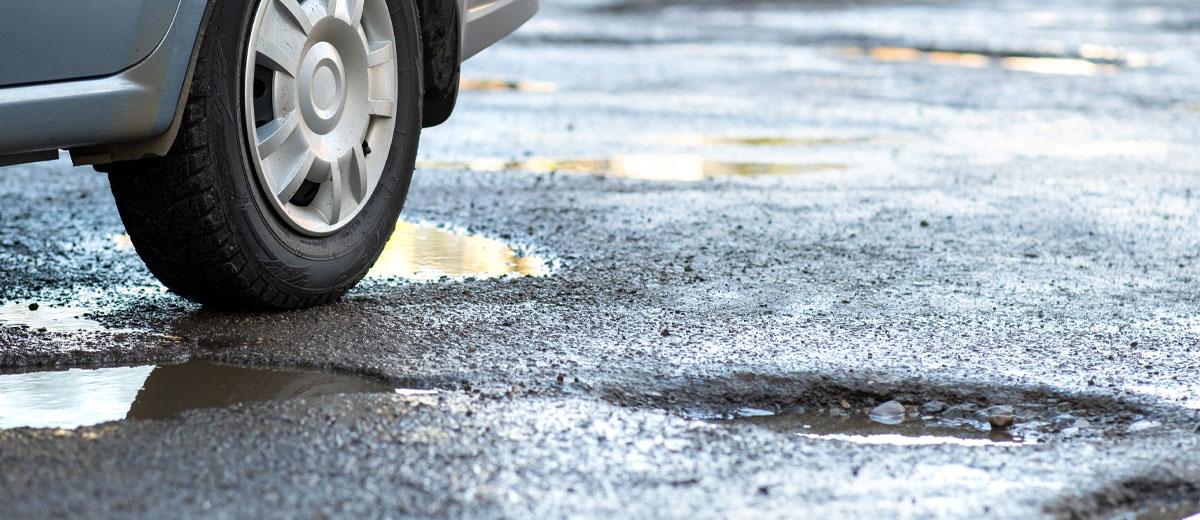
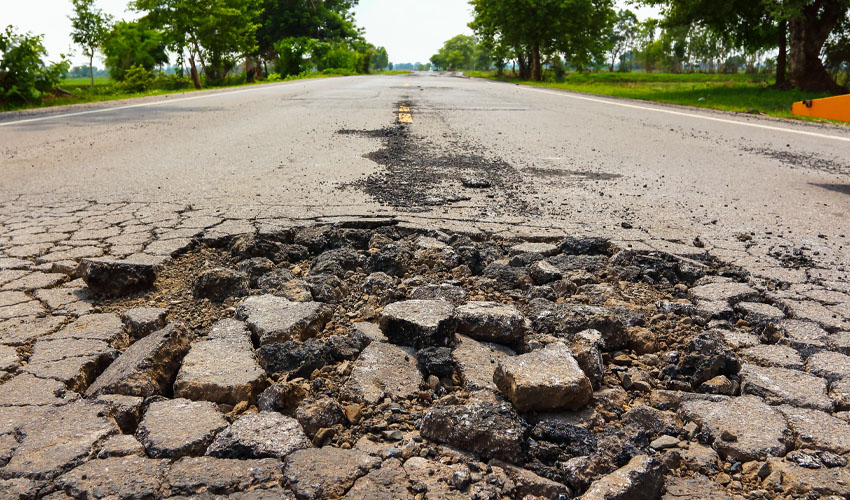
These craters are the main cause of car damage on bad roads, according to 86 percent of Manitoba Members. Even at slower speeds on residential roads, hitting a pothole can bend your rims, damage your tires, throw off your vehicle’s alignment and wear down your suspension.

Uneven pavement
Not all damage comes from a sudden impact. Cracked or uneven surfaces can also strain your vehicle, affecting steering and alignment. When your wheels are out of alignment, the car may pull to one side, which can wear out your tires and shorten their lifespan. Steering components that connect the steering rack to your wheels (tie rod ends) can also wear down faster on rough roads.
Debris
Loose gravel and debris may seem harmless, but they can reduce traction, chip paint or crack windshields, accelerate tire wear over time and impact braking. Regular car maintenance helps keep drivers and vehicles safe. Remember to check your brakes and rotate your tires to ensure your car can stop in an emergency. Inspect your windshield regularly for small chips and have them repaired promptly, before they spread into larger cracks that can pose serious safety risks.
Many drivers (38 percent) say they change their route to avoid rough roads, and it’s easy to see why. The vast majority (87 percent) wouldn’t mind the inconvenience of construction if it meant a well-paved road that could spare them costly damage repair.
Ultimately, better roads benefit not just individual drivers, but entire communities by improving safety, reducing expenses and supporting more reliable transportation.
Learn more about the CAA Worst Roads campaign here and discover how you can help influence change on Ontario’s roads.
Share this article:
Filter by